

The History of Bailey House
60 Second History of Bailey House
- Early 1600s: Part of the land cleared for the French settlement of Port-Royal, New France’s southernmost stronghold in North America.
- Late 1600s: Part of the Port-Royal seigneurial estate. A building may have stood on the present foundations as early as 1688.
- c. 1817: The present Georgian house is built for James Robertson, an investor in War of 1812 privateering, and his wife, Charlotte Williams, whose brother later served as Governor of Nova Scotia.
- By 1826–1837: Elizabeth Bailey begins receiving travellers. Guests include Lord and Lady Mulgrave—Lord Mulgrave served as Governor of Nova Scotia and New Zealand—and John Spencer, Viscount Althorp, later known as “the Red Earl.”
- 1940s: Suzanne Haliburton rescues the deteriorating house and begins a new period of preservation.
- 1991: Bailey House is registered as a Provincial Heritage Property.
- Today: A four-room inn, still arranged, furnished and used as a house.
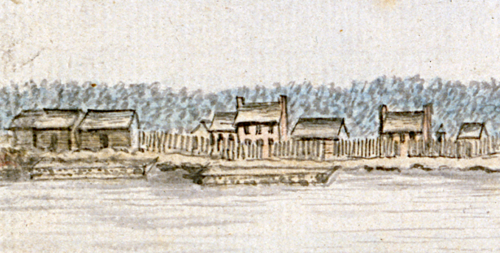
The Land at Port-Royal
French settlement at Port-Royal began in 1605 and was re-established on a permanent basis in 1610 under Jean de Biencourt de Poutrincourt. The settlement developed along the sheltered Annapolis Basin and river, with farms, homes and trading interests extending outward from the fort.
The precise history of the parcel on which Bailey House now stands cannot be traced continuously to those first years. Early land records are incomplete, and much of the documentary record of seventeenth-century Port-Royal has been lost.
What is known is that the property lay within the historic Seigneury of Port-Royal and, by the later seventeenth century, formed part of a substantial estate associated with Alexandre Le Borgne de Belleisle and his wife, Marie de La Tour.
The La Tour connection places the property within one of the most prominent families of early Acadia. From this part of Port-Royal, land, commerce and public life were closely intertwined; the river was not simply a view, but the principal highway connecting the settlement with the wider Bay of Fundy and Atlantic world.
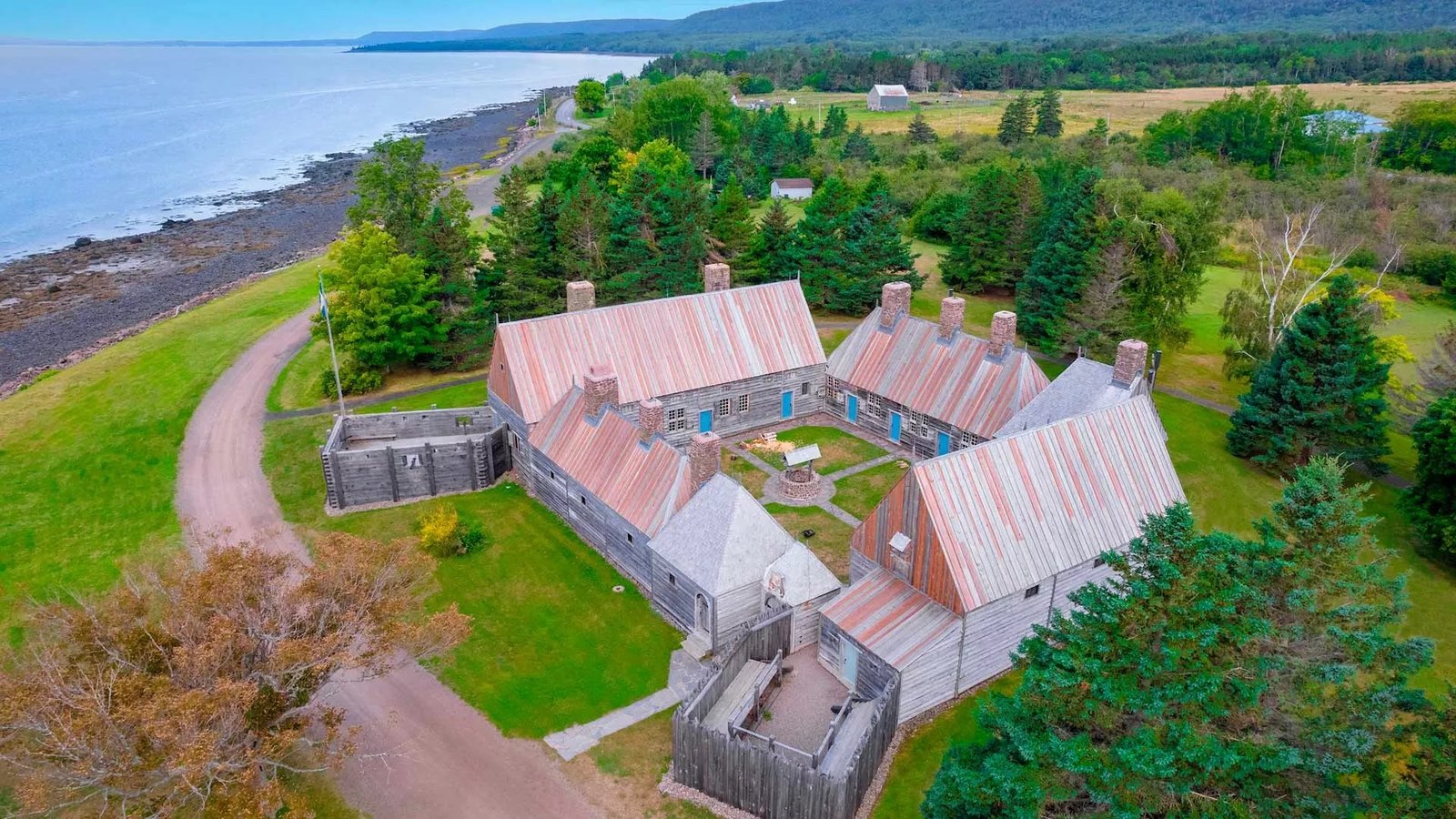
A Seigneurial Estate
By the late seventeenth century, a manor stood on the larger estate near this bend in the river. The property subsequently passed through a succession of owners whose lives reflected the shifting fortunes of Port-Royal itself.
Among them were members of the Duvivier family, closely connected with the French garrison. François Du Pont Duvivier’s son would return in 1744 during an unsuccessful French attempt to recapture Annapolis Royal.
Later owners included Samuel Douglass and Captain Edward How, a member of the Nova Scotia Council. How was killed in 1750 during one of the more unsettled periods following the British conquest of Acadia. His widow, Marie-Madeleine Winniett, belonged to another family deeply rooted in the complicated French and British world of the region.
By the end of the eighteenth century, the property had entered the Loyalist era. Joseph Totten, a merchant from Westchester County, New York, acquired it in 1783 after coming to Nova Scotia during the upheaval of the American Revolution.
Each generation inherited essentially the same advantage: a prominent position on the principal street of Annapolis Royal, facing the river and close to the commercial life of the town.
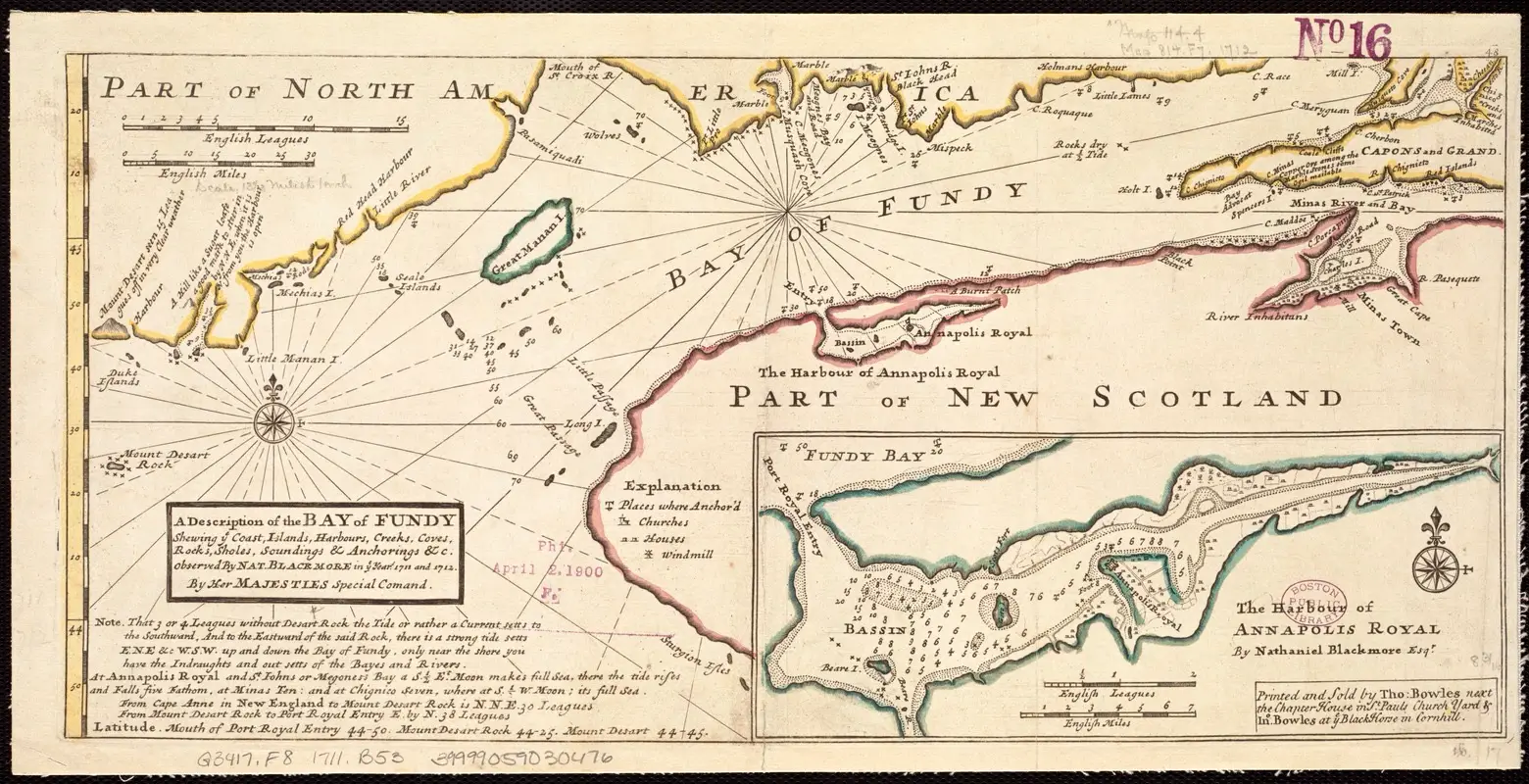
From Port-Royal to Annapolis Royal
The setting around Bailey House had already witnessed considerable change by the time the present residence appeared.
Port-Royal was captured by British forces in 1710 and renamed Annapolis Royal in honour of Queen Anne. The town remained the capital of Nova Scotia until the founding of Halifax in 1749.
Its importance diminished thereafter, but Annapolis Royal never disappeared. The fort remained, ships continued to use the river, merchants conducted business along St. George Street, and houses belonging to officers, officials and prosperous families accumulated around the old town.
That continuity is one of the unusual qualities of Annapolis Royal. The town did not grow over its earliest landscape so much as settle quietly upon it. Much of its history can still be understood on foot.
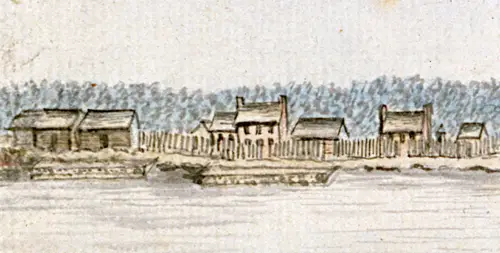
The Georgian House
The precise date of Bailey House has long been the subject of differing interpretations.
Two official heritage records give differing construction dates: one circa 1770 and the other 1815–1820. The land transfer records and the building’s Federal and Regency architectural details point to around 1817, after the property passed from the Totten estate into the Robertson family.
James Robertson and his wife, Charlotte Williams, both came from families established in Annapolis Royal. James appears to have prospered through investments in privateering during the War of 1812; his father and brother served on the Nova Scotia Council, while Charlotte’s brother, Sir Fenwick Williams, later became the last royal Governor of Nova Scotia before Confederation. The family landscape is still remarkably intact. James’s childhood home, built in the 1780s, stands next door to Bailey House, and Charlotte’s, dating from 1715, is only a street away.
What is certain is that the house belongs to the elegant Georgian tradition that shaped the Atlantic world in the late eighteenth and early nineteenth centuries.
Its restrained five-bay façade, central entrance, low hipped roof, inset chimneys and remarkably intact interior plan are characteristic of that tradition. Inside, original mantels, mouldings, doors and other details survive, while the principal rooms retain the balanced proportions that have defined the house for generations.
The result is not a grand house in the European sense. Its distinction lies instead in proportion, symmetry and restraint—the qualities that gave the better houses of Georgian New England and the Maritimes their enduring appeal.
Its location was equally deliberate. Bailey House faces the Annapolis Basin and stood opposite the site of what became one of Annapolis Royal’s largest private wharves. For a merchant family, the river would have been as practical as it was beautiful.
The Bailey Years
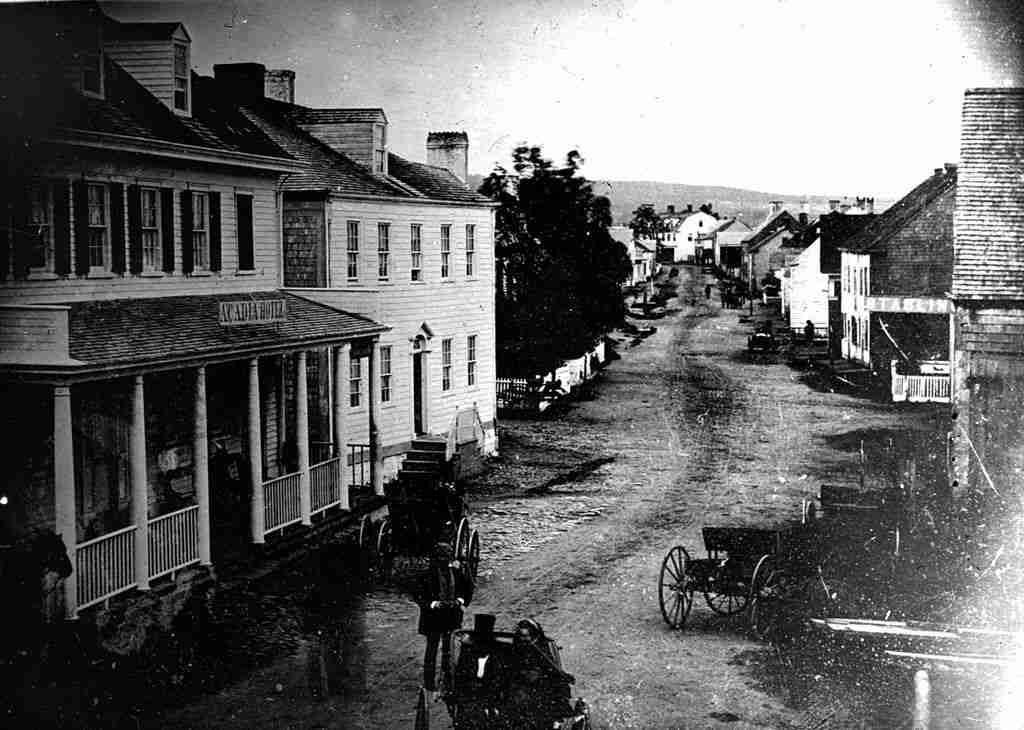
In 1837 the house passed to Elizabeth Bailey, widow of Thomas Bailey and daughter-in-law of the Reverend Jacob Bailey. She may have been operating an inn here since as early as 1826, based on census records.
Jacob Bailey had been a prominent Anglican clergyman and Loyalist in Massachusetts and Maine before coming to Nova Scotia during the American Revolution. Educated at Harvard, he belonged to the educated Atlantic world that linked New England and Nova Scotia even as political boundaries separated them.
Widowed with three daughters, Elizabeth Bailey turned the house into an elegant boarding establishment. Under her management—and later that of her daughters—the house became known for receiving travellers and prominent visitors to Annapolis Royal.
Among those associated with the house was Thomas Chandler Haliburton, judge, politician and author, whose writings made him one of the best-known literary figures in nineteenth-century British North America.
Elizabeth Bailey herself entered local folklore as “Marm Bailey.” She became particularly remembered for her moose-muffle soup, a dish sufficiently associated with the house that Parks Canada has preserved the recipe as part of its culinary history.
For more than half a century, the house therefore occupied an unusual position: still a private residence, but one accustomed to receiving guests.
That tradition of hospitality is the origin of the Bailey House name.
Distinguished Visitors and Local Tradition
Like many old houses, Bailey House has accumulated stories alongside documented history.
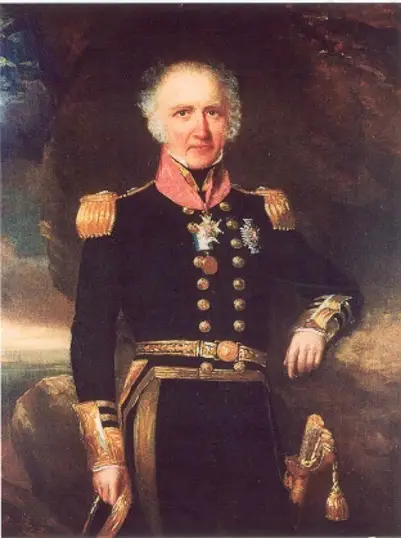
One of the best known concerns Prince Edward, Duke of Kent and father of Queen Victoria, who visited Annapolis Royal in 1794. Local tradition long held that he attended a ball at Bailey House.
The visit itself is well established, but the story illustrates the difficulty of separating an old property from the house presently standing upon it. If the later dating of the current residence is correct, the ball would have taken place in an earlier house on the estate rather than within the rooms seen today.
That distinction is worth preserving. The history of Bailey House is interesting enough without asking the present building to account for every event that occurred on its land.
Other nineteenth-century visitors were drawn to Annapolis Royal by government, military affairs, family connections or simply by travel. The house’s long life as a boarding establishment placed it naturally within that world.

Decline and Preservation
By the early twentieth century, the era of the Bailey boarding house had ended.
Like many large old residences, the house entered a period of decline. After leaving the Bailey family, it was divided for multiple households and gradually lost the social position it had enjoyed during the nineteenth century.
Its survival was by no means assured.
In the 1940s, Suzanne Haliburton began a new period of stewardship, rescuing the house from deterioration and treating its historic fabric with unusual care. Later owners continued that work.
Perhaps the most remarkable thing about Bailey House today is not that it is old, but that so much of its essential form has survived.
The square Georgian plan remains readily understood. The principal rooms have not been opened into large modern spaces. Original architectural details remain in everyday use. Even when private ensuite bathrooms were added to the four principal bedrooms around the turn of the twenty-first century, they were inserted discreetly rather than through substantial additions to the house.
Bailey House was formally recognized as a Provincial Heritage Property in 1991.
A House Still in Use
Bailey House today is neither a museum nor a reconstruction of a particular historical moment.
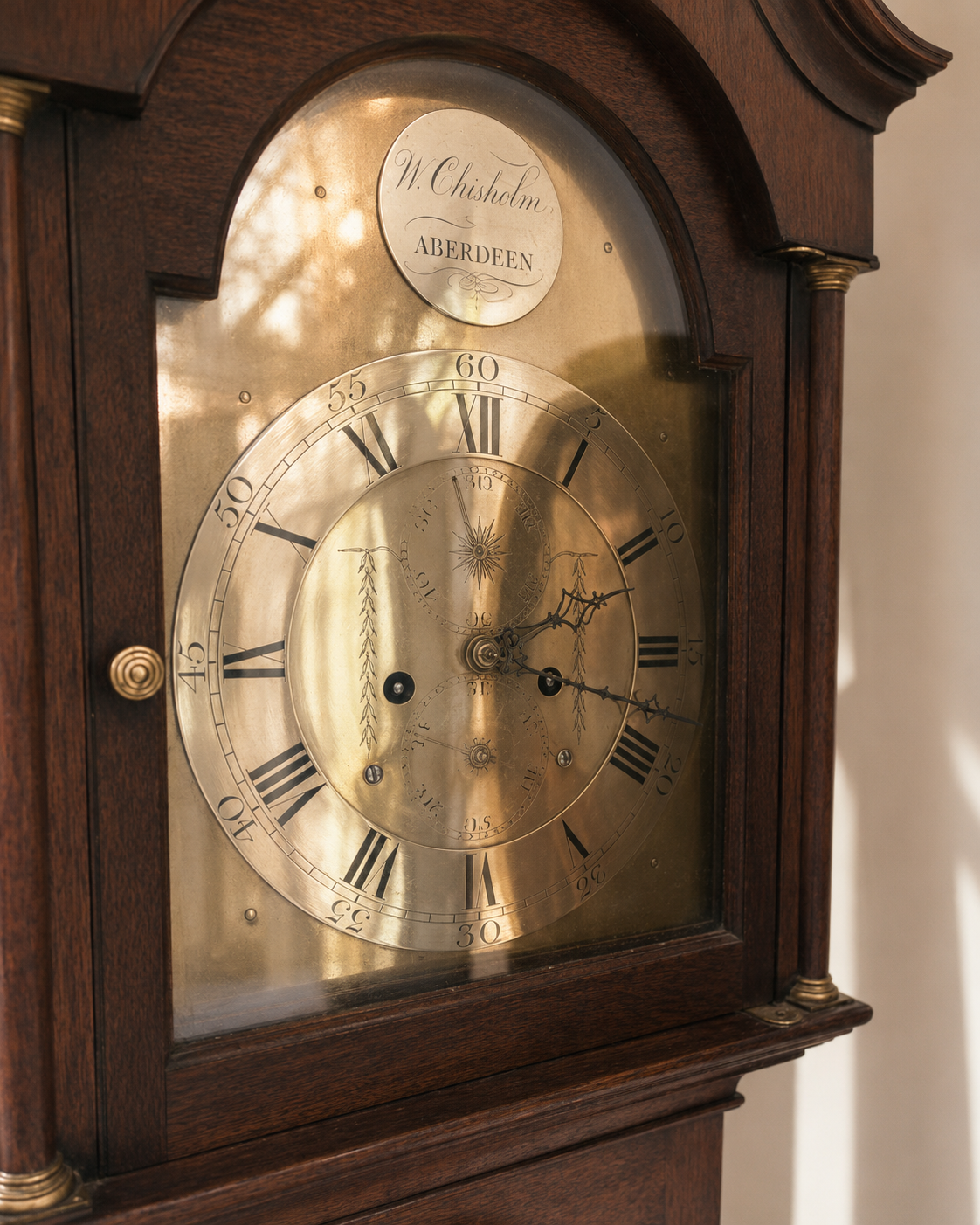
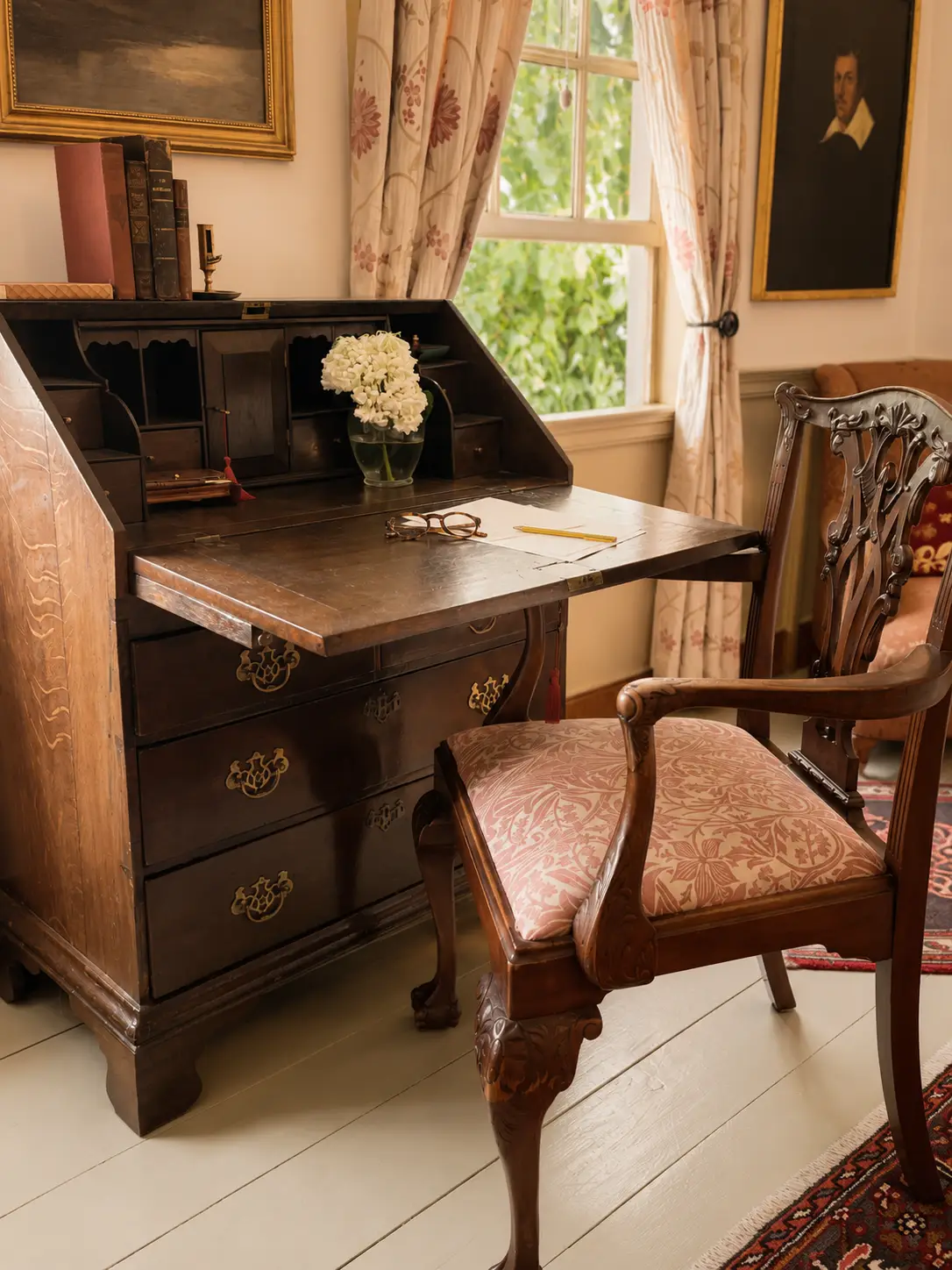
The rooms contain antiques, portraits and traditionally made furnishings spanning several periods because that is how old houses generally evolved: one generation inherited from another, added what it needed, and continued living among what remained.
The furniture is used. Guests read beside old tables, sleep beneath historical portraits, take breakfast in the dining room and walk through the same central hall that has organized the house for generations.
Modern comforts—including private ensuite bathrooms and carefully chosen bedding and bath amenities—have been introduced where they matter, while the underlying character of the house has been allowed to remain.
Outside, the Annapolis Basin continues to rise and fall beyond the front door, much as it did when this was a merchant’s house and when Elizabeth Bailey first began receiving travellers.
Four centuries of history surround Bailey House. More than two centuries of domestic life have shaped the house itself.
Its appeal lies not in having remained unchanged, but in having changed remarkably little.
150 Saint George Street, Annapolis Royal, Nova Scotia